
A home with people in your corner.
Shared houses with on-hand support, structured key-working and a clear pathway to your own front door. Housing that helps you rebuild — not just get by.
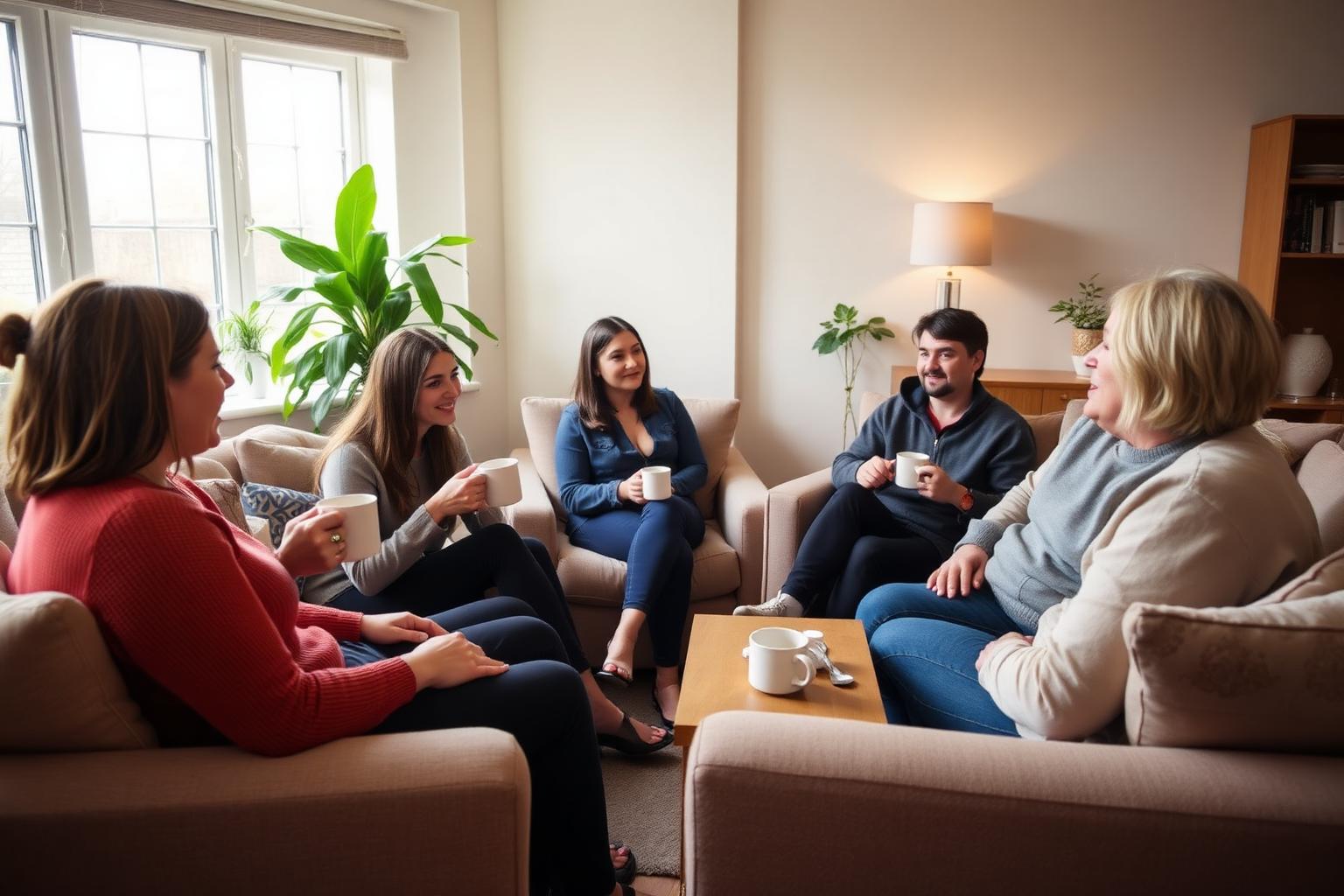
More than a roof — a stable base to rebuild from.
Supported accommodation is for people who need a home and someone in their corner at the same time. It might be after leaving care, coming out of hospital, escaping abuse, sleeping rough or simply hitting a wall with nowhere else to turn.
Our houses are small — usually three to six residents — with communal spaces designed to feel like a home rather than an institution. A key worker holds each resident's plan; a house-coordinator keeps the shared spaces working.
We are strict on the basics — clean, safe, well-maintained — and gentle on the people. Residents set the pace; we make sure the door to independent living is always open.
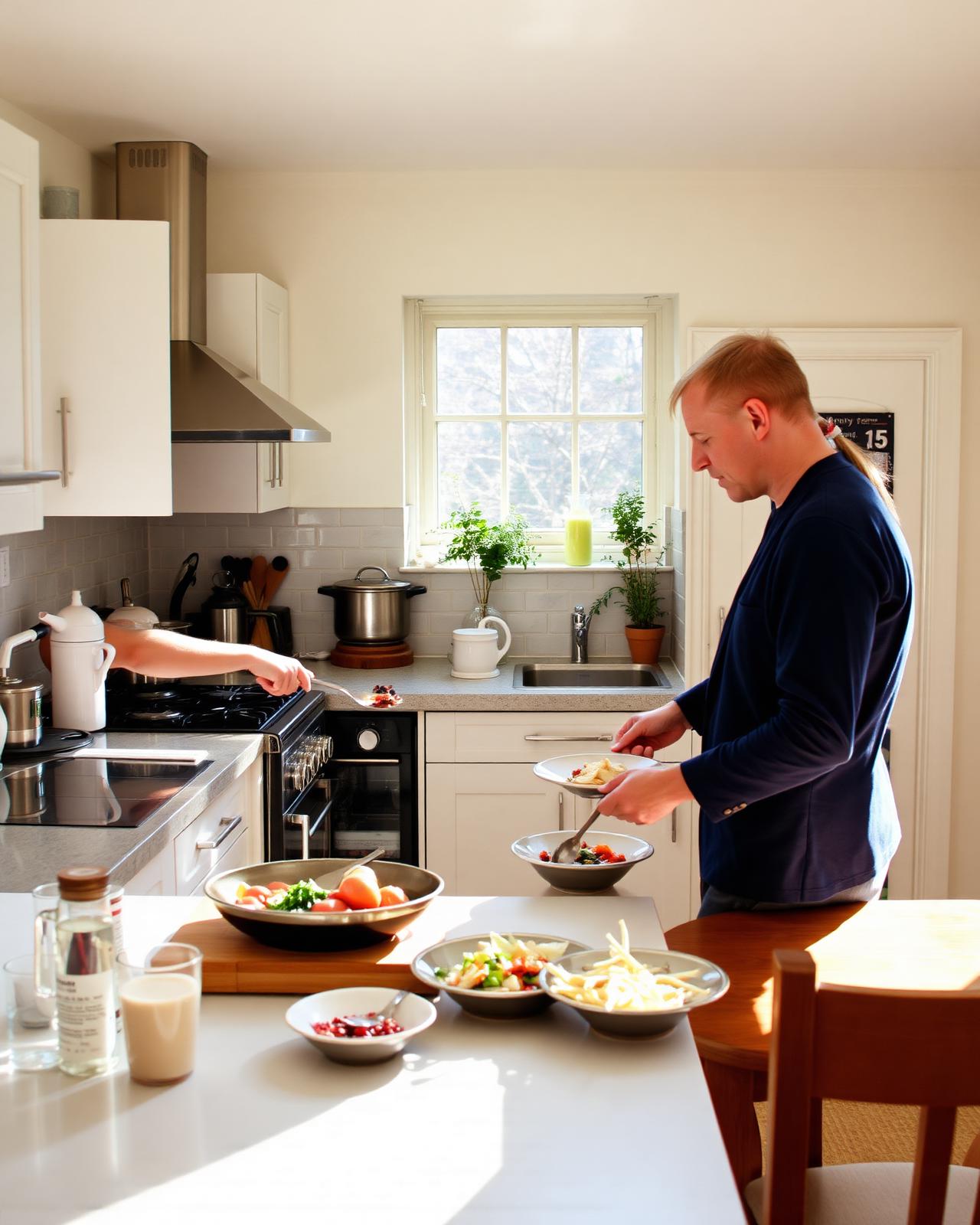
Who we support
One service, many starting points. If you recognise yourself — or the person you're referring — in one of these, we're likely a good fit.
Care leavers
Young adults moving on from local authority care who need a supported step between placement and independence.
Young people 18–25
Housing plus structured support for young people at risk of homelessness, exclusion or exploitation.
Adults leaving hostels or refuges
A quieter, longer-term step for people ready to move on from short-stay services but not quite for their own tenancy.
People with mental health needs
Coordinated with community mental health teams so housing supports recovery rather than working against it.
Adults ready to move on from rough sleeping
Trauma-aware placements with time and support to adjust to living inside again.
Local authority & commissioner referrals
Adult social care, housing options and children's services placing people who need a supported step.
What's included as standard
Every resident gets the same core offer — housing, key-working, life-skills and a plan for what's next.
Own room, shared home
A private, lockable bedroom in a small shared house. Furnished, warm and Wi-Fi included.
Named key worker
Weekly one-to-ones with a key worker who holds your support plan and knows your story.
Life-skills programme
Budgeting, cooking, tenancy skills and digital confidence — practical sessions built around each resident's goals.
Food and household basics
A stocked kitchen on arrival and access to a food club, so no one starts on an empty cupboard.
Benefits and money support
Help with universal credit, housing element and any debt or arrears that need untangling.
Wellbeing and community
Peer activities, wellbeing sessions and links into local groups, sport, faith communities and volunteering.

Trauma-aware, person-led, boringly consistent.
Our approach isn't a new idea. It's the discipline to keep doing simple things well, for as long as they're needed.
Trauma-aware in practice
Every staff member is trained in trauma-informed care and psychologically informed environments — and we audit whether we actually work that way.
Person-led, not programme-led
Residents set the goals; we help sequence them. No one is punished for a bad week or evicted for a missed session.
Predictable and reliable
Same key worker, same house meeting, same response times. Predictability is a form of care.
Move-on with dignity
We plan move-on together, months in advance, and stay in touch after the tenancy sign-up — not just until the door closes.
From referral to independent living
A supported accommodation stay is a journey, not a placement. This is how it typically unfolds.
- 01
Referral & assessment
Referral received from a partner or self-referral. We meet within 5 working days to talk through history, needs and goals.
- 02
Matching
We match on the house dynamic as much as the paperwork — who lives there, what the vibe is, what will work.
- 03
Welcome & first fortnight
Move in, meet the house, meet the key worker. Focus is on settling — sleep, food, safety, benefits sorted.
- 04
Support plan (weeks 3–6)
Together we build a plan around housing, health, money, relationships, learning and purpose. Reviewed every six weeks.
- 05
Independence-building (months 2–9)
Life-skills programme, volunteering, work or training. Increasing responsibility for bills and daily life.
- 06
Move-on & aftercare
Bidding for your own place with our help, then move-on visits and a phone line that stays open for at least six months after you go.
Standards we hold ourselves to
The non-negotiables that sit under every Millpond supported home.
- Trauma-informed, psychologically informed environment
- Safeguarding lead on call 24/7
- Decent Homes Standard as a floor
- Full gas, electrical, fire and legionella compliance
- Fortnightly house inspections and repairs SLA
- Weekly 1:1 key-working with clear notes and outcomes
- Independent advocacy available to every resident
- Anti-discrimination and equalities policy actively audited
The impact we see
A twelve-month snapshot across our supported homes.
- of residents move on to independent tenancies
- 82%
- average stay before move-on
- 9 mo.
- in work, training or volunteering at move-on
- 76%
- resident satisfaction with their key worker
- 4.7/5
Frequently asked questions
Can’t find your question? Our team is happy to talk it through.
Related services
All services →Temporary Accommodation
Self-contained homes for households in emergency housing need — often the first step before supported housing.
Learn moreOpportunities Pathway
Intensive support for people facing severe and multiple disadvantage where standard services haven't worked.
Learn moreResettlement
Structured support for prison leavers from the first night after release through to independence.
Learn moreReferring someone this week?
Our team will confirm capacity, arrange an assessment and — if we're not the right fit — help you find one that is.